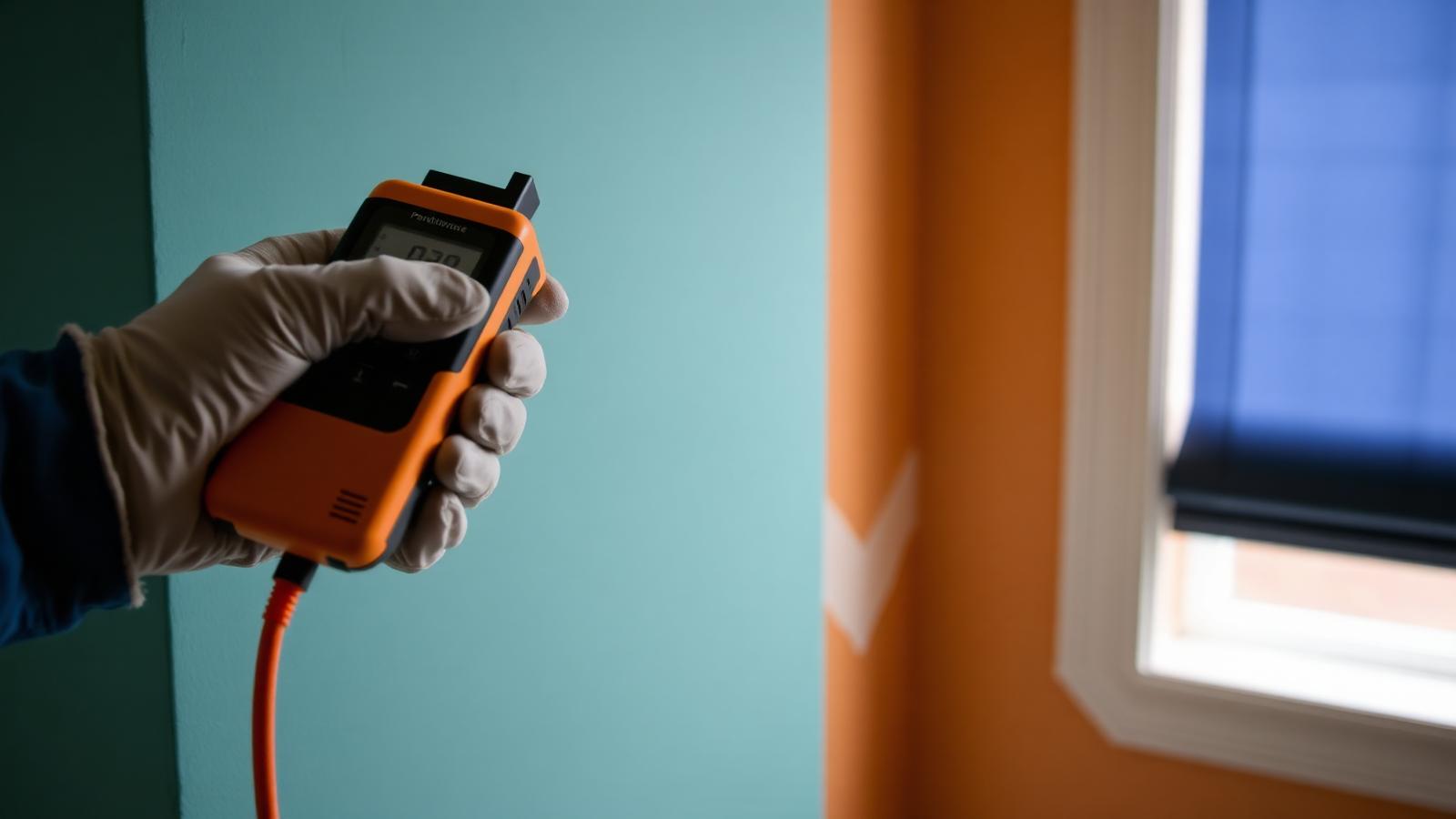
A volatile organic compound is any carbon-based molecule with a vapour pressure high enough to exist as a gas at indoor temperatures and pressures. The category spans hundreds of distinct species, from one-carbon formaldehyde to complex aromatic and oxygenated compounds. What they share is mobility: at 20 °C they are airborne, not bound to the materials that emitted them.
Regulatory frameworks divide them by boiling point: very volatile (VVOCs, including formaldehyde and acetaldehyde), volatile (VOCs proper, the largest category) and semi-volatile (SVOCs, including plasticisers and flame retardants). All three matter indoors, and a thorough VOC strategy treats them as distinct populations rather than a single TVOC number.